
Let’s be honest—most of us have felt that sting. You drop your phone. Screen cracks. You look up repair costs, and suddenly it’s cheaper to buy a new one. That’s not an accident. It’s a design choice. And it’s one that’s finally being challenged by repairability standards.
For years, hardware was built like a sealed vault. Glue. Proprietary screws. Soldered RAM. The message was clear: don’t open this. But the tide is turning. Right to repair movements, new legislation, and even some manufacturers are pushing for devices that don’t require a microsurgery degree to fix. Let’s unpack what repairability standards actually mean—and why they matter for your next gadget.
What Are Repairability Standards, Exactly?
Think of repairability standards as a set of guidelines—sometimes voluntary, sometimes mandated—that make it easier to fix a product. They cover everything from how a device is assembled to the availability of spare parts. It’s like building a Lego set instead of a glued-together model. You can take it apart, swap a broken piece, and put it back together.
These standards aren’t just about screws and glue. They also involve:
- Modularity: Components like batteries, screens, and ports should be replaceable without destroying other parts.
- Accessibility: No proprietary tools required. A standard Phillips screwdriver should work.
- Documentation: Manufacturers provide schematics and repair manuals.
- Part availability: Spare parts are sold for a reasonable time after launch.
France, for instance, pioneered a repairability index for electronics. It scores devices from 0 to 10 based on factors like disassembly ease and spare part pricing. That score is displayed right on the box. Imagine seeing a “7/10” for repairability before you buy a laptop. It changes the conversation.
Why Should You Care? (Spoiler: It’s Not Just About Saving Money)
Sure, repairability saves cash. A $50 battery replacement beats a $1,000 phone upgrade. But there’s more to it. E-waste is the fastest-growing waste stream on the planet. When you can’t fix a device, you toss it. That’s bad for the environment—and honestly, it’s bad for your wallet in the long run.
There’s also a weird psychological thing here. When you know you can fix something, you value it more. You treat it better. It’s like owning a vintage car versus a leased sedan. One feels like yours. The other feels… disposable.
And let’s not forget the frustration factor. Ever tried replacing a glued-in battery? It’s like performing surgery with a butter knife. You risk puncturing the battery, which can cause a fire. That’s not user-friendly. That’s hostile design.
The Right to Repair Movement: A Quick Backstory
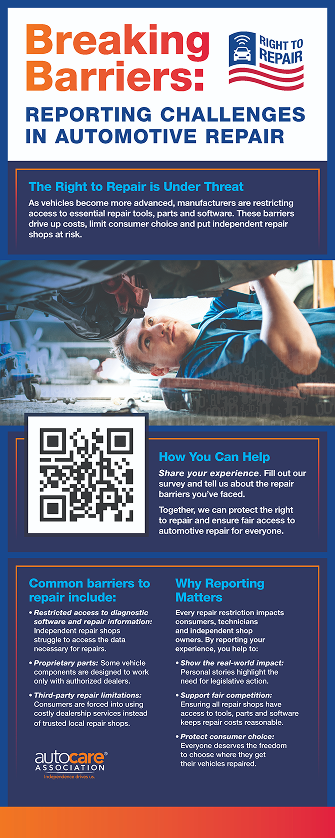
You might have heard about “Right to Repair” laws. They’re not new—farmers fought for the right to fix their tractors years ago. But now it’s hitting consumer electronics. The EU, for example, now requires manufacturers to provide spare parts for up to 10 years for certain appliances. In the US, states like New York and Minnesota have passed similar laws.
These laws aren’t perfect. They’re often watered down by lobbying. But they’ve forced companies like Apple and Samsung to rethink their approach. Apple now offers a self-service repair program. Sure, it’s clunky—you have to rent a massive tool kit—but it’s a start.
How Modern Hardware Design Is Changing
Here’s the deal: repairability isn’t just about legislation. It’s becoming a selling point. Companies like Framework (laptops) and Fairphone (smartphones) have built their entire brand around modularity. You can swap out the RAM, storage, even the USB-C port on a Framework laptop in minutes. No glue. No heat gun.
Even mainstream brands are dipping their toes in. Samsung’s Galaxy S24 series uses more screws and less adhesive than previous models. Dell’s Latitude business line offers easy-access panels for RAM and SSDs. It’s not a revolution—yet. But it’s a shift.
That said, there’s still a tension. Thinness and water resistance often conflict with repairability. A sealed phone can be waterproof. A modular one? Not so much. Engineers are working on it—using gaskets instead of glue, for instance—but it’s a trade-off.
What a Repairable Design Looks Like (and Doesn’t)
Let’s compare two imaginary laptops. Laptop A uses standard screws, a replaceable battery, and socketed RAM. Laptop B has everything soldered, glued, and covered with a unibody shell. Which one would you rather own after three years?
Here’s a quick breakdown of common design choices and their repairability impact:
| Design Feature | Repairable Approach | Anti-Repair Approach |
|---|---|---|
| Battery | User-replaceable, no tools | Glued in, requires disassembly |
| RAM/Storage | Socketed (SO-DIMM, M.2) | Soldered to motherboard |
| Screen | Secured with screws or clips | Adhesive, often breaks on removal |
| Ports | Modular daughterboards | Soldered directly to mainboard |
| Software | Unlocked bootloader, free drivers | Locked, requires proprietary tools |
Notice a pattern? Repairable designs prioritize future flexibility over initial thinness. It’s a bet that you’ll want to upgrade a component rather than toss the whole device.
Current Standards and Scoring Systems
You might be wondering—how do you measure repairability? Well, there are a few systems out there. The most famous is iFixit’s repairability score. They tear down devices and assign a 1–10 rating based on things like:
- How easy it is to open the device.
- Whether components are modular or soldered.
- How much adhesive is used.
- Availability of spare parts and manuals.
France’s official repairability index is similar but includes factors like spare part pricing and software updates. It’s not perfect—some manufacturers game the system—but it’s a start. The EU is also working on a standardized “repair score” that could apply across all electronics sold in the bloc.
These scores matter. They influence purchasing decisions. And they push manufacturers to compete on repairability, not just specs. Imagine a phone ad bragging about a “9/10 repairability score” instead of just camera megapixels. That’s the future we’re heading toward.
But Wait—There’s a Catch
Not all repairability is created equal. Some manufacturers design devices that are “repairable” in theory but require expensive proprietary tools or software locks. For example, Apple’s self-service repair program requires you to “pair” a new battery with the phone using a special software tool. If you don’t, you get a warning message forever. That’s not really repairability—it’s control.
True repairability means you can fix it without the manufacturer’s blessing. It means third-party parts work. It means you don’t need an account to replace a screen. That’s the gold standard.
What This Means for You (and Your Next Purchase)
So, how do you apply this knowledge? Simple. Before buying any gadget, check its repairability score. Look for iFixit teardowns or the French index. Ask yourself: “Can I replace the battery in two years?” If the answer is “no,” think twice.
Also, consider brands that prioritize repairability. Framework, Fairphone, and even some models from Dell, Lenovo, and HP (their business lines) are decent. Avoid ultra-thin devices with soldered everything unless you’re okay with planned obsolescence.
And here’s a radical thought: maybe we don’t need a new phone every year. Maybe the best device is the one you can keep for five years. Repairability makes that possible. It’s not just a standard—it’s a philosophy.
The Bottom Line
Repairability standards are reshaping hardware design. Slowly, yes. Imperfectly, sure. But the direction is clear: devices should be fixable, not disposable. Whether it’s through legislation, consumer pressure, or smart engineering, we’re moving toward a world where your phone doesn’t become e-waste just because the battery dies.
That’s a world worth building. And honestly, it starts with the choices you make today. The next time you unbox a shiny new gadget, ask yourself: “Can I fix this when it breaks?” If the answer is no, maybe it’s not so shiny after all.
Because in the end, repairability isn’t just about standards. It’s about respect—for your wallet, for the planet, and for the idea that things should last.