Let’s be honest. Our digital lives are, well, leaky. Every smart speaker, every convenient app, every “free” service often trades in a currency we can’t see: our personal data. It can feel like trying to bail water out of a boat with a sieve. But what if you could start patching the holes? That’s where privacy-focused hardware comes in.
This isn’t about becoming a digital hermit. It’s about taking back control, piece by piece. It’s about choosing gadgets designed with a core philosophy: your data is yours. Let’s dive into the tools that can help you build a more data-secure lifestyle, from your pocket to your living room.
The Foundation: Securing Your Internet Traffic
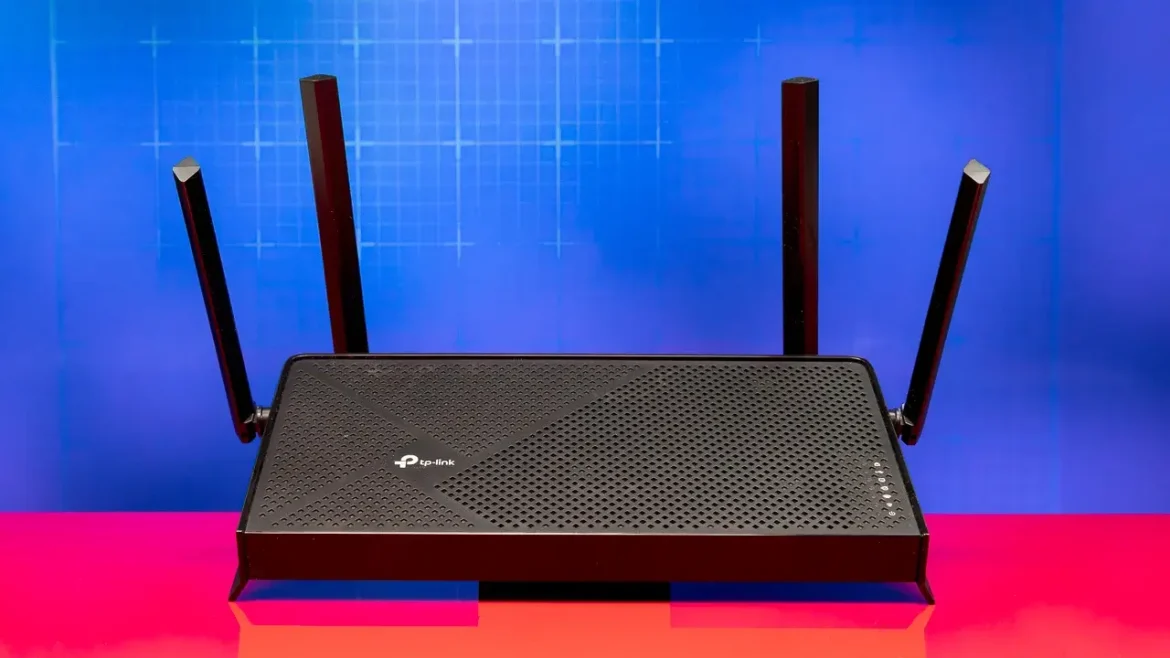
Everything starts at your router. It’s the front door to your digital home. A standard ISP-provided router? That’s like a door with a lock the landlord also has a key to. Here’s the deal: upgrading this piece of hardware is your single biggest move.
Privacy Routers and Encrypted DNS
Devices like routers from brands such as InvizBox or Gl.inet come with privacy features baked right in. They often have VPN clients pre-installed, so you can encrypt all your home traffic at the source—no fiddling with apps on every single device. Think of it as a secure tunnel for your entire household’s internet.
Then there’s DNS, or the internet’s phonebook. Using a router that lets you easily switch to a privacy-focused DNS service (like NextDNS, Control D, or AdGuard DNS) is a game-changer. It blocks trackers, ads, and malicious sites before they even reach your devices. It’s a simple setting with massive impact.
Communication: Phones and Messaging That Can’t Eavesdrop
Your phone is a pocket-sized data-harvesting machine. We know that. But alternatives exist that feel, you know, actually designed for the user.
De-Googled Phones and Secure Handsets
Android without Google? It’s possible. Phones like the Fairphone (with a focus on repairability and optional de-Googled OS) or devices designed to run /e/OS or GrapheneOS offer a starkly different experience. They strip out the background telemetry and give you granular control over app permissions. It’s not for everyone—some convenience is lost—but the privacy gain is profound.
For the ultra-conscious, there are devices like the Librem 5 by Purism. It’s a Linux-based phone with hardware kill switches for the camera, microphone, Wi-Fi, and Bluetooth. A physical disconnect. That’s about as definitive as it gets.
Encrypted Communication Gadgets
Beyond the phone itself, consider the accessories. An encrypted thumb drive, like those from iStorage, uses a physical keypad for PIN entry. No software, no driver hacks—just hardware-based encryption. Perfect for securing sensitive files offline.
The Home Front: Smart Devices That Aren’t Spies
“Smart home” has become synonymous with “data-hungry home.” But a new wave of privacy-respecting IoT is slowly emerging. The key principle? Local control.
Look for devices and hubs that use standards like Matter and Thread, which are designed for local connectivity. Even better, platforms like Home Assistant on a local server (like a Raspberry Pi) let you automate your home without any data ever needing to leave your network. Your smart lights, sensors, and plugs talk to your hub, not a company’s cloud.
For example, instead of a popular cloud-based camera, you might opt for an IP camera from a brand like Reolink that supports ONVIF, and then funnel its feed into a locally-run network video recorder (NVR). You get the security of surveillance without the insecurity of your footage sitting on a remote server.
Everyday Carry: Privacy in Your Pocket and Bag
This is where small gadgets make a surprisingly big dent. It’s the practical, daily stuff.
| Gadget | What It Does | Privacy Benefit |
| VPN Travel Router (e.g., GL.iNet Slate) | Creates a secure Wi-Fi bubble anywhere. | Encrypts traffic on public Wi-Fi; protects all connected devices at once. |
| Webcam Covers | A physical slider for your laptop/phone camera. | Guarantees no visual eavesdropping, hardware or software. |
| RFID-Blocking Sleeves/Wallets | Blocks electromagnetic fields. | Prevents skimming of your credit cards & passport chips. |
| Noise-Cancelling Microphone (e.g., Kensington) | Plugs into your 3.5mm jack. | Physically disconnects or muffles your built-in mic during calls. |
These aren’t paranoid tools. They’re simple, affordable layers of defense. A webcam cover is, honestly, just common sense these days.
The Mindset Shift: It’s a Journey, Not a Destination
Adopting privacy hardware requires a slight shift in thinking. You might trade some slick, seamless integration for a bit more setup. You might pay a bit more upfront for a device that doesn’t monetize you later. The trade-off is ownership.
Start small. Maybe it’s a privacy router. Or a hardware authentication key like a YubiKey to lock down your logins with two-factor authentication. Each piece adds to your digital resilience.
The goal isn’t perfect, invisible anonymity for most of us. It’s about practical data security and reducing your attack surface—both from criminals and from overzealous data brokers. It’s about making data collection a conscious choice, not a default setting you blindly accept.
In the end, these gadgets are just tools. Powerful, empowering tools. But the real change happens when we value our digital selves enough to protect them. The market is listening, and more options are appearing every day. The message is getting through: privacy is a feature worth building in.