You know that feeling. You spend years building a community, sharing your life, your art, your thoughts. Then, one day, the platform changes the rules. Your reach plummets. Or worse, your account—your digital identity—just vanishes. Poof.
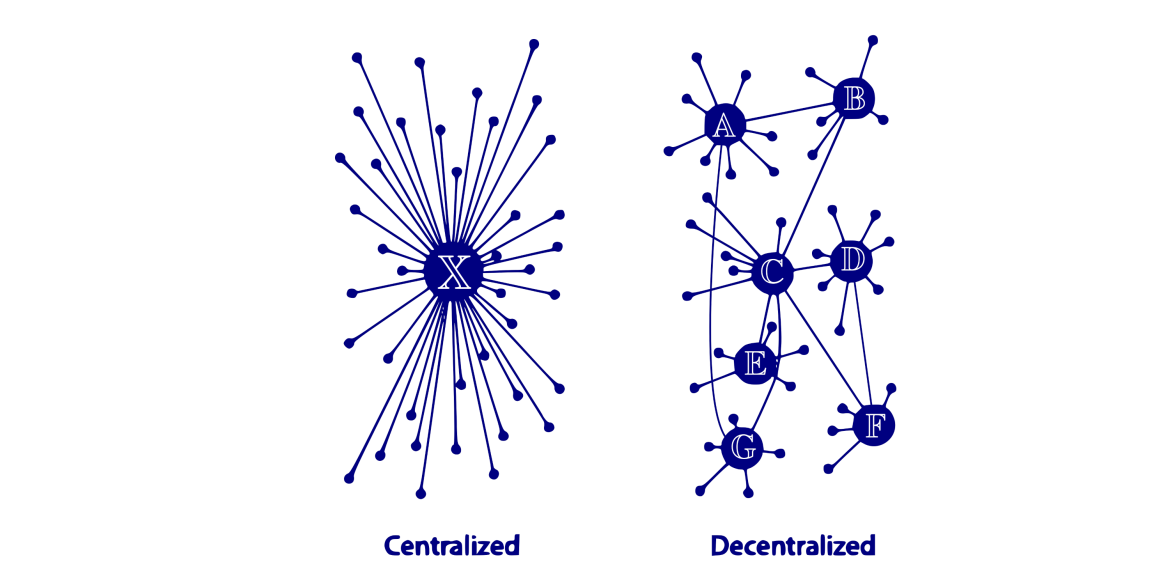
That centralized control is the crack in the foundation of today’s social web. But a quiet revolution is building in the background. It’s not about a new app with a flashy logo. It’s about a new protocol. A shift from walled gardens to open networks. This is the rise of decentralized social media, and at its heart is a simple, radical idea: you should own your data.
What Does “Decentralized Protocol” Even Mean?
Let’s ditch the jargon for a second. Think of email. You can have a Gmail address, and I can have a ProtonMail account, and we can still communicate. That’s because email runs on an open protocol (SMTP). No single company owns it.
Now, imagine that for social media. That’s the goal of protocols like ActivityPub (which powers Mastodon and others) and the AT Protocol (from Bluesky). These are sets of rules that let different apps, or “clients,” talk to each other. You could have an account on one server, follow someone on a completely different server, and it all just… works.
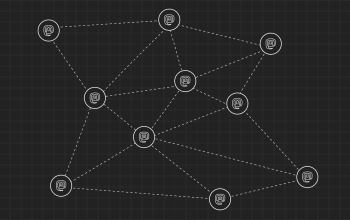
The network isn’t controlled by one entity. It’s a federation. A bit like how independent coffee shops can all accept Visa—they use a common system, but they’re not all owned by the same corporation.
The Core Promise: Portable Identity and Data
Here’s where it gets personal. On a decentralized social media protocol, your identity and your social graph—your followers, your follows—are not locked to an app. They’re yours.
If you don’t like the moderation policies or features of one server (or “instance”), you can move your account. And you can take your followers with you. This changes the power dynamic completely. Platforms have to compete to serve you well, instead of you being a product they sell to advertisers.
It’s a bit like being able to switch cell phone carriers and keeping your old phone number. Simple, but transformative.
The Data Ownership Dilemma (And Why It Matters)
We all click “I Agree” without reading. Honestly, who has the time? But those terms mean that your posts, your likes, even your network map become fuel for a recommendation algorithm designed to maximize engagement—and ad revenue.
Decentralized protocols flip the script. Because the infrastructure is distributed, your data often lives in a place you choose. You might even host your own server. The key point is: the protocol is just a conduit. It doesn’t hoard data.
This approach tackles a few huge pain points head-on:
- Algorithmic Transparency: No more mysterious “Why is this in my feed?” Different clients can offer different algorithms, or let you choose. Some might even let you turn it off entirely for a simple chronological feed.
- Content Moderation Nuance: Instead of one-size-fits-all global rules, different communities can set their own standards. You find a space that fits your norms.
- Reduced Harassment & Bot Risks: With portable identity that isn’t trivially cheap to create en masse, reputation matters more. Sybil attacks—creating tons of fake accounts—are harder on some of these networks.
The Current Landscape: It’s Not Just One Thing
This isn’t a monolith. Different projects are exploring the space in different ways. It’s messy, experimental, and honestly, that’s a sign of health. Here’s a quick, non-exhaustive look:
| Protocol / Project | Key Differentiator | Data Ownership Model |
| ActivityPub (Mastodon, Pixelfed, etc.) | Mature, federated (like email). Many independent servers. | Data resides on the server you join. Portable across servers using the same protocol. |
| AT Protocol (Bluesky) | Account portability and algorithmic choice as core features. | Uses decentralized identifiers (DIDs). Aims for full account portability between providers. |
| Farcaster | “Sufficiently decentralized” hybrid model. Emphasizes a great user experience. | User identity is on-chain (Ethereum), but data can be stored on “hubs” for performance. |
| Nostr | Extremely simple, protocol-only. No servers, just relays and clients. | You control your cryptographic keys. Data is broadcast to relays; you can use any client. |
See, it’s not a single app you “join.” It’s an ecosystem you participate in. That’s the mental shift.
The Hurdles on the Path to Mainstream
Let’s be real. This isn’t all sunshine and rainbows. The decentralized social media movement faces some very real challenges.
User Experience (UX) Friction: Choosing a server? Managing cryptographic keys? For the average person who just wants to see their cousin’s baby pictures, this is a non-starter. The winning platforms will be the ones that hide this complexity completely.
Discovery and Network Effects: It’s fragmented by design. Finding people across different servers or relays can feel clunky compared to the seamless, centralized search we’re used to.
And then there’s the moderation question. Sure, community-led moderation is powerful, but it can also lead to inconsistency. Who handles cross-server disputes? How do you prevent the creation of outright harmful spaces? These are open, active debates.
Finally, sustainability. Who pays for the servers? Many early networks rely on goodwill and donations. For long-term health, viable models—perhaps lightweight subscriptions or value-added services—need to emerge.
What This Means for Creators and Businesses
If you build an audience on a decentralized protocol, you’re building it on a foundation you control. You’re not at the mercy of a sudden pivot to video or a pay-to-play reach algorithm.
Direct relationships become paramount. You can engage with your community across different interfaces, knowing the connection is owned by you both, not mediated by a platform’s black box. This could pave the way for more direct monetization—think subscriptions, digital goods, community tokens—with fewer middlemen taking a cut.
For businesses, it’s about risk mitigation. Having a presence on a resilient, open protocol is like not putting all your marketing eggs in one basket. It’s a long-term bet on a more stable digital commons.
A Thought to End On
The internet was supposed to be a network of networks. Somewhere along the way, it became a collection of silos. Decentralized social protocols aren’t a guaranteed utopia. They’re messy, human, and complex.
But they represent a return to that original, more resilient vision. A shift from being a user to being a citizen. From renting space in someone else’s digital empire to holding the keys to your own corner of the web.
The transition won’t happen overnight. It might not even look like we think it will. But the genie of data ownership is out of the bottle. And honestly, it’s not asking for much. Just a simple, radical idea: what’s yours, should stay yours.