Let’s be honest. Off-the-shelf smart home kits are convenient, sure. But they can also feel a bit… locked in. You’re tied to one brand’s ecosystem, their cloud service, and their idea of what your home should do. What if you want a light that turns on based on a sensor they don’t sell? Or a custom alert for something they never imagined?
That’s where open-source hardware for DIY home automation comes in. Think of it like building with digital Legos where you have the instruction manual and the blueprint for every single brick. It’s about taking control back, one circuit board at a time.
Why Go Open-Source? It’s More Than Just Cost
Sure, saving money is a nice perk. But the real magic of open-source DIY home automation projects is in the freedom. You own it—truly. No company can decide to sunset a server and turn your smart switch into a dumb paperweight.
You get to solve your specific problems. Need a soil moisture sensor that tweets at your plants? Want a motion-activated coffee maker? With open-source, it’s all possible. The community is your R&D department, a global hive mind constantly innovating and sharing solutions.
The Foundation: Key Open-Source Hardware Platforms
Diving in can feel overwhelming. Here’s the deal—a few key platforms form the bedrock of most projects. These are the workhorses.
1. ESP32 & ESP8266: The Wireless Powerhouses
If there’s a rockstar in this space, it’s the ESP series. These are incredibly capable, Wi-Fi-enabled microcontrollers that cost less than a fancy coffee. The ESP32, for instance, packs Wi-Fi, Bluetooth, and dual cores into a chip the size of a postage stamp.
They’re the go-to for turning “dumb” devices into connected ones. You’ll find them at the heart of DIY smart relays, sensors, and displays. The support? Massive. Honestly, if you can imagine a wireless automation, someone has probably built it with an ESP.
2. Arduino: The Reliable Veteran
Arduino is where many makers start. It’s the friendly, forgiving introduction to physical computing. While it might lack the built-in wireless flair of an ESP, its simplicity and rock-solid stability make it perfect for dedicated tasks—like controlling a motorized blind or managing a garden watering system.
3. Raspberry Pi: The Brain of the Operation
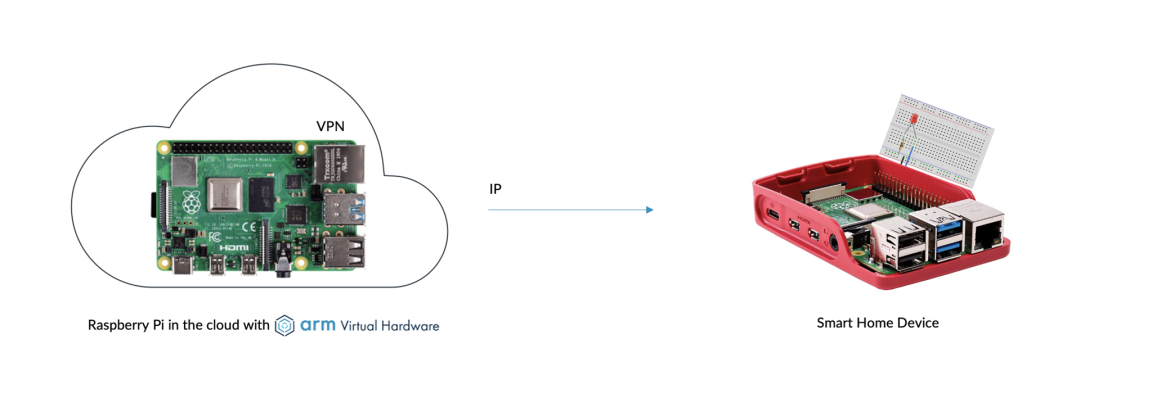
Think of the Pi as a full computer. It runs a complete operating system (usually Linux). In a DIY smart home, it often serves as the central hub or server, running home automation software that ties all your ESP and Arduino devices together. It’s powerful, but it’s overkill for just turning on a light.
Here’s a quick, down-and-dirty comparison:
| Platform | Best For | Think of it As… |
| ESP32/8266 | Wireless sensor nodes, smart plugs, low-cost connected devices. | A smartphone chip: connected, efficient, task-focused. |
| Arduino | Simple, reliable control of motors, LEDs, or single-purpose gadgets. | A dependable switch: straightforward, no-fuss, always works. |
| Raspberry Pi | Running the hub software, databases, or more complex logic. | The home’s brain: coordinating, processing, and making decisions. |
The Glue: Home Automation Software & Hubs
Hardware is just silicon and metal without software to command it. This is where your vision comes to life. You’ll typically install one of these open-source platforms on a Raspberry Pi or an old computer.
Home Assistant is, well, the assistant you actually want. Its goal is “local control and privacy.” It integrates with everything—open-source devices, commercial products you already own—and lets them all talk to each other locally, without the cloud. The learning curve exists, but the payoff is immense.
OpenHAB is another powerhouse, known for its robustness and flexibility. It’s a bit more “enterprise-y” in approach, but that means it’s incredibly stable for a complex setup.
Choosing between them is a bit like picking a favorite tool. Some folks swear by one, some use both. The beauty is, you can try them.
Your First Project: A Real-World Example
Let’s make this tangible. Say you want a smart light in a closet that turns on automatically when the door opens. Here’s how open-source DIY home automation tackles it:
- The Hardware: An ESP32 board, a magnetic reed switch (door sensor), and a relay module to safely control the light circuit.
- The Brains: You’d write a simple script (using Arduino code or ESPHome) telling the ESP32: “When the switch is open, flip the relay. When it’s closed, flip it back.”
- The Integration: You’d then add this device to Home Assistant. Now, you can see the closet door status from your phone, create a log of how often it’s opened, or even have it trigger other actions—like turning on the hallway light if it’s opened after midnight.
You’ve built something tailored, it works locally if your internet dies, and you own every part of the stack. That feeling? Priceless.
The Not-So-Glamorous Side: Challenges to Embrace
It’s not all instant gratification. This path requires a mindset shift. You are the tech support. Debugging a faulty connection or a line of buggy code is part of the journey. It can be frustrating—until you solve it, and that “aha!” moment fuels you for the next five projects.
And safety is paramount. You’re messing with electricity. Start with low-voltage projects (like 5V USB-powered gadgets) before you even think about wiring a relay into your home’s 110V/240V system. When in doubt, consult an electrician. Seriously.
The Future is Open and Interconnected
The trend is clear: people are getting weary of walled gardens. The demand for privacy, local control, and true interoperability is growing. Open-source hardware and software sit right at the heart of this shift. They’re not just hobbyist toys anymore; they’re a legitimate, powerful alternative for creating a resilient smart home.
So, where does that leave you? Maybe you start by flashing an ESP32 with a pre-built firmware. Maybe you just install Home Assistant on a spare Pi to dip your toes in. The point isn’t to build everything from scratch overnight. It’s about knowing that the capability—the freedom—is there, waiting in a circuit board, a line of code, and a global community ready to help. Your home doesn’t have to be smart on someone else’s terms. You can give it a voice of its own.