You know that feeling of being watched online? It’s not just paranoia. Every time you search for a vacation spot, click an ad, or even just browse a news site, a hidden economy is quietly at work. Your digital footprints—your likes, your location, your late-night shopping queries—are being collected, packaged, and sold.
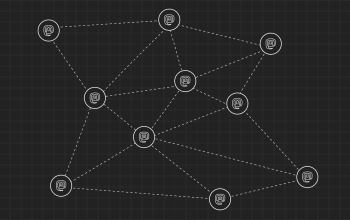
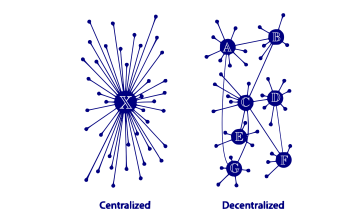
The sellers? They’re called data brokers. Think of them as the invisible real estate agents of your personal information. They operate vast, pervasive networks that compile billions of data points to create shockingly detailed profiles about you. And honestly, most of us have no idea who they are or how to stop them.
But here’s the deal: you’re not powerless. While you can’t vanish completely, you can dramatically reduce your digital footprint and navigate this landscape with more control. Let’s dive into some practical, actionable strategies.
First, Understand the Beast: What Are Data Brokers Doing?
Before we can fight back, we need to see the battlefield. Data brokers aren’t necessarily hackers; they’re aggregators. They gather information from public records (like home deeds and marriage licenses), your online activities (tracking cookies, app usage), and from other companies you’ve given data to—often buried in those endless terms of service.
They stitch this together to infer things like your income bracket, health interests, political leanings, and even life milestones. Are you a new parent? A likely homeowner? Struggling with debt? They’ve got a category for that, and they sell these lists to advertisers, insurers, or even employers.
The Core Problem: It’s an Opt-Out, Not an Opt-In World
This is the crucial, frustrating part. You are automatically opted in. Your data is collected by default. Taking back control means proactively opting out, broker by broker, which can feel like a full-time job. That said, a layered defense makes it manageable.
Your Multi-Layer Defense Strategy
Layer 1: Fortify Your Daily Browsing & Devices
Start with the basics—your first line of defense. This is about making data collection harder in the first place.
- Embrace Privacy-Focused Browsers & Search Engines: Switch from Chrome to browsers like Firefox or Brave, which have stronger built-in anti-tracking. Ditch Google Search for DuckDuckGo or Startpage. It feels weird at first, but you adapt.
- Use Browser Extensions Wisely: Install a reputable ad-blocker (like uBlock Origin) and a privacy extension (like Privacy Badger). They block tracking scripts and those creepy ads that follow you everywhere.
- Get Serious About Passwords & 2FA: A password manager isn’t just for security breaches. It lets you create unique, strong passwords for every site, limiting the damage if one company sells your data or gets hacked.
- Audit Your App Permissions: Go through your phone. Does that flashlight app really need access to your contacts? Probably not. Revoke unnecessary permissions and delete apps you don’t use.
Layer 2: The Direct Opt-Out Assault
This is the hands-on work. You need to find the major brokers and request removal. It’s tedious, but it works.
- Target the Major Players: Focus on the biggest brokers first: Acxiom (now part of LiveRamp), Epsilon, Oracle BlueKai, and CoreLogic. Each has an opt-out page—just search “[Broker Name] opt-out.”
- Leverate Free Opt-Out Services: Sites like SimpleOptOut provide direct links to these pages. For a more automated approach, a service like DeleteMe (paid) will do the work for you, but knowing the manual process is empowering.
- Don’t Forget People-Search Sites: Sites like Spokeo, Whitepages, and BeenVerified are the most visible arm of this industry. You must opt out of each individually. They make it tricky, but persistence pays off.
Layer 3: The Legal & Administrative Layer
New laws are giving consumers more clout. Use them.
- Exercise Your CCPA/CPRA Rights (California): If you’re in California, you can request all data a broker has on you and demand its deletion. Many brokers apply this right to all U.S. residents to simplify compliance.
- Explore the “Do Not Sell My Personal Information” Link: Look for this link, now common on many website footers thanks to state laws. It’s a quick way to signal a site not to broker your data.
- Register with the DMA Choice: The Data & Marketing Association’s Choice tool lets you opt out of mail, email, and telemarketing lists from many participating companies. It’s one form for a big batch of opt-outs.
Building Long-Term Habits for Data Minimalism
Think of this like digital hygiene. Small, consistent habits create lasting protection.
| Habit | Action | Why It Helps |
| Use Burner Info | Use a secondary email alias (from services like SimpleLogin or Apple’s Hide My Email) for non-essential sign-ups. | Keeps your primary email out of broker databases, reducing spam and tracking links. |
| Read (Skim) Privacy Policies | Look for “third-party sharing” or “marketing partners” sections before signing up. | You’ll quickly see which companies are data factories versus those that are more respectful. |
| Limit Social Media Oversharing | Lock down profiles, avoid quizzes (“Which Disney Princess are you?”), and be mindful of posting life events. | This is pure gold for brokers. Limiting it starves their source material. |
| Use a VPN on Public Wi-Fi | A reputable VPN encrypts your traffic on unsecured networks. | Prevents snoopers on the same network from seeing your activity, adding a layer of obscurity. |
Sure, it sounds like a lot. And it is. The goal isn’t perfection—it’s reduction. It’s about making your profile less valuable, less complete. Every opt-out, every tracker blocked, is a small win.
The Realistic Takeaway: You Can’t Disappear, But You Can Fade
Let’s be clear: completely erasing yourself from data broker networks is nearly impossible. New data is always being created. The aim is friction. Make it so difficult and costly to track you that you fall off the radar of all but the most persistent.
It’s an ongoing process, not a one-time fix. Schedule a “data detox” day every few months to repeat key opt-outs. The networks are pervasive, but they’re not invincible. Your attention and your data are your most valuable assets in the modern world. Treating them with a little more caution—well, it’s the first, and most powerful, step toward taking your privacy back from an industry that never asked for it in the first place.