Imagine your health not as a snapshot, but as a sprawling, living novel. Each day writes a new line—what you eat, how you sleep, your heart rate during a stressful meeting, the subtle genetic whispers you were born with. For decades, medicine could only read the last page, reacting to crises. Now, a powerful convergence is changing the story. It’s the meeting of bioinformatics—the science of managing and analyzing biological data—with the torrent of personal health data from wearables, genomes, and apps. Together, they’re forging a future where care is less about fixing and more about foreseeing.
Honestly, it’s a shift from generic to genuinely personal. Let’s dive in.
Two Rivers Meeting: What is This Convergence, Really?
On one side, you have bioinformatics. Think of it as the master librarian and detective for biological information. It uses computational tools to find patterns in massive, complex datasets—like your entire genetic code. On the other side, you have the flood of personal health metrics. Your smartwatch tracks your sleep stages. Your phone logs your nutrition. Genetic testing kits reveal your predispositions.
Alone, each stream is useful. But where they converge? That’s where the magic happens for preventative care strategies. Bioinformatics provides the computational muscle to make sense of your unique data ocean, spotting the ripples that might become waves. It turns raw numbers into actionable insight.
The Engine Room: How Bioinformatics Makes Data Talk
So, how does this work in practice? It’s not just about having data; it’s about creating a dialogue with it. Here’s the deal:
- Integration: Bioinformatics platforms can pull data from disparate sources—your EHR (Electronic Health Record), your Fitbit, your 23andMe raw data—and create a unified health profile. This is the foundation of personalized health analytics.
- Pattern Recognition: Algorithms sift through this integrated data to find anomalies or trends invisible to the human eye. Maybe a combination of slightly elevated resting heart rate, subtle sleep disturbances, and a specific genetic marker points to a risk for cardiovascular issues years before traditional symptoms appear.
- Predictive Modeling: Using vast population data, systems can model your personal health trajectory. It’s like weather forecasting for your body, highlighting potential “storms” so you can change course.
The Real-World Impact on Preventative Care
This isn’t science fiction. The convergence is already reshaping patient journeys and clinical approaches. You know, in tangible ways.
1. From Reactive to Proactive Interventions
Instead of waiting for high cholesterol to show up on a standard blood test, a data-driven preventative care model might flag a genetic predisposition (like for Familial Hypercholesterolemia) early. Interventions could start with personalized nutrition and monitoring plans in your 20s, potentially preventing disease altogether.
2. Hyper-Personalized Wellness Plans
Generic advice like “eat better and exercise” falls flat. But what if your plan was based on your microbiome data, your genetic response to different exercise types, and your metabolic rate? Bioinformatics enables that level of customization, making prevention actually fit into your life.
3. Dynamic Risk Assessment
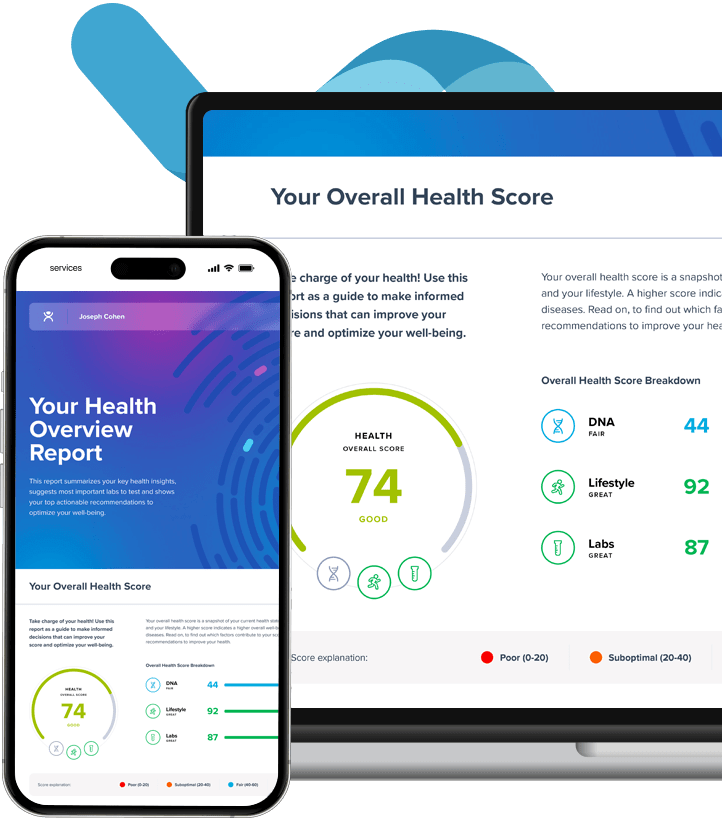
Your risk for disease isn’t static. A bioinformatics-powered health dashboard could update your risk scores in real-time based on lifestyle data. Slept poorly for a week while stress metrics spiked? Your system might nudge you towards mindfulness exercises and a sleep hygiene check-in.
| Traditional Model | Convergence Model |
| Annual check-up snapshot | Continuous, real-time data stream |
| One-size-fits-all guidelines | Individually tailored health insights |
| Disease diagnosis & management | Risk prediction & prevention |
| Data in silos (clinic, lab, etc.) | Integrated, holistic health portrait |
Navigating the Challenges: It’s Not All Smooth Sailing
That said, this brave new world comes with real hurdles. We can’t ignore them.
- Data Privacy & Security: This is the big one. Your health data is incredibly sensitive. Robust, transparent encryption and clear data ownership policies are non-negotiable. Who owns your genomic data once it’s analyzed?
- Interoperability: Getting all these devices and systems to talk to each other seamlessly is a massive technical and regulatory challenge. The current landscape is often a tower of Babel.
- Information Overload: For both clinicians and individuals, too much data without clear insight is just noise. The key is actionable health intelligence, not just more charts.
- Equity and Access: There’s a real risk of creating a health divide between those who can afford these technologies and those who cannot. Preventative care must not become a luxury good.
The Future Is Integrative (And Already Here)
So, where is this all headed? Well, the trajectory points towards a seamless integration of bioinformatics into our daily health stewardship. We’re talking about AI-powered digital health coaches that learn from your data. Pharmacogenomics—using your genetics to predict which medications will work best for you with the fewest side effects—will become standard. Honestly, the line between managing health and preventing illness will blur until it vanishes.
The convergence of bioinformatics and personal health data isn’t just a tech trend. It’s a fundamental rethinking of our relationship with our own bodies. It moves us from passengers to pilots, equipped with a detailed, real-time map of our personal health landscape. The goal is no longer just a longer life, but a healthier, more vibrant one—where prevention is the default, and disease is the exception.